

As we approach 2026, the graphic design landscape continues to evolve at a rapid pace, influenced by technological advancements, cultural shifts, and new user behavior patterns. Staying ahead of these trends is crucial for designers, marketers, and businesses aiming to remain competitive and resonate with their audiences. This article delves into the most prominent graphic design trends expected to dominate the industry in 2026, offering insights into their origins, implications, and how they can be effectively implemented in various creative projects.
From the resurgence of bold, nostalgic elements to the integration of advanced technologies like AI and AR, the graphic design trends of 2026 are shaping up to be a blend of old and new. These trends not only reflect aesthetic preferences but also embody deeper societal changes, making them pivotal in strategic branding and communication efforts. Understanding these trends will enable professionals to craft visually compelling and strategically sound designs that captivate and engage.
Moreover, the environmental impact of design practices is becoming a significant consideration. Sustainable design is not just a trend but a necessity as the industry moves towards more eco-friendly practices. This shift influences material choices, production techniques, and even the digital tools and platforms used by designers.
This exploration will not only highlight what these trends are but also discuss why they are emerging and how they can be harnessed to enhance visual communication. Whether you are a seasoned designer looking to update your toolkit or a business seeking to stay on the cutting edge of marketing, understanding these trends is essential.
Let’s dive into the vibrant world of graphic design as it stands on the brink of 2026, examining the styles, techniques, and tools that will define the visual landscape of the near future.

What are the key graphic design trends expected in 2026?
The graphic design industry is set for a transformative period by 2026, with several key trends poised to make significant impacts. These trends reflect broader technological advancements and cultural shifts, influencing how brands communicate with their audiences. Here’s a detailed look at these trends:

1. Immersive Experiences: As virtual reality (VR) and augmented reality (AR) become easier to adopt, immersive design is moving to the forefront. No longer limited to entertainment, this approach is shaping how brands show products and how institutions deliver learning through interactive environments. With so much of daily life happening across screens and connected devices, designers are prioritizing visuals that feel almost tangible. Cushioned surfaces, inflated forms, and lifelike elements paired with intentional exaggeration add a sense of depth and sensation. The goal is to fully engage users, creating environments that feel memorable, absorbing, and capable of pulling them into another world.

2. Bold Typography: Typography is taking center stage, with large, bold fonts becoming a popular choice for making strong statements. This trend is often combined with minimalistic layouts to draw attention to the message rather than the design elements themselves.

3. Advanced Data Visualization: As data continues to drive decision-making in many sectors, the demand for high-quality data visualization is growing. Designers are finding innovative ways to present complex data in visually appealing and easy-to-understand formats.

4. Sustainability in Design: Eco-friendly designs are becoming a priority as more companies seek to reduce their environmental impact. This trend is influencing everything from the materials used in physical products to the sustainability of digital operations.

5. Nostalgia and Retro-futurism: A surge in nostalgia-driven design paired with futuristic elements is making waves. This blend of past and future gives brands a unique way to appeal to both older and younger demographics.

6. Inclusivity and Accessibility: There is a growing emphasis on creating designs that are inclusive and accessible to all. This includes considering color blindness and dyslexia in visual and textual content, ensuring that everyone can enjoy and benefit from the design.
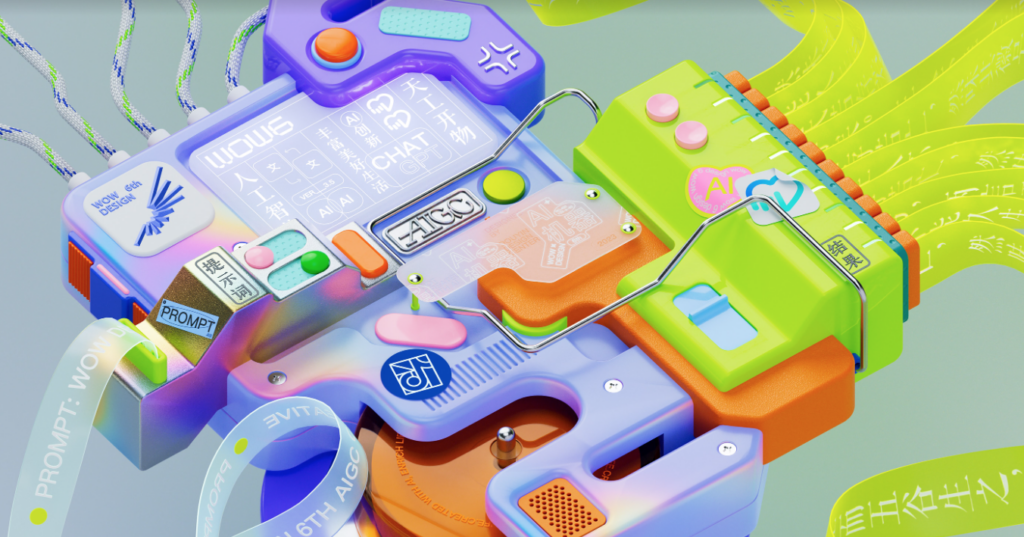
7. AI in Design: Artificial intelligence is playing a larger role in graphic design, from automating routine tasks to generating creative content. AI tools are becoming indispensable for designers looking to push the boundaries of creativity and efficiency.
These trends highlight the dynamic nature of the graphic design industry and underscore the importance of adaptability and forward-thinking in maintaining relevance and effectiveness in visual communication.
How will these trends impact the graphic design industry?
The impact of these emerging graphic design trends on the industry will be profound and multifaceted. As designers and businesses adapt to these trends, we can expect several significant changes in how projects are approached and executed:
1. Enhanced User Engagement: By leveraging VR, AR, and interactive elements, designers can create more engaging and memorable experiences that captivate users. This is particularly important in a digital age where user attention is a scarce commodity.
2. Greater Emphasis on Brand Personality: Bold typography and unique color schemes help brands stand out and express their personality more vividly. This can lead to stronger brand recognition and emotional connections with the audience.
3. Increased Demand for Skilled Data Visualizers: As data becomes a more integral part of storytelling, there is a growing need for designers who can effectively translate complex data into clear, impactful visual representations.
4. Push for Sustainable Practices: The focus on sustainability will drive innovation in materials and methods, potentially leading to new standards in design practices that prioritize environmental consciousness.
5. Broader Audience Reach: With inclusivity and accessibility becoming key considerations, designs will reach a wider audience, including those who were previously overlooked due to sensory or cognitive disabilities.
6. Shifts in Design Education and Training: As AI and new technologies play a bigger role, educational institutions and training programs will need to update their curricula to include advanced tech skills alongside traditional design principles.
7. New Opportunities for Creative Expression: The fusion of nostalgic elements with modern design opens up new avenues for creative expression, allowing designers to explore unique aesthetic combinations.
These impacts not only highlight the evolving roles of graphic designers but also underscore the importance of continual learning and adaptation in a rapidly changing digital landscape.
What tools and technologies are driving these trends?
The advancement of certain tools and technologies has been pivotal in shaping the graphic design trends of 2026. These tools not only enhance creativity but also improve efficiency, allowing designers to achieve more with less effort. Here’s an overview of the key technologies and tools at the forefront of this evolution:
1. Adobe Creative Suite: Continuously updating with new features, Adobe remains a staple in the designer’s toolkit, especially with enhancements in Photoshop, Illustrator, and After Effects that support advanced graphic creation.
2. Sketch and Figma: These tools are essential for UI/UX design, providing robust frameworks for designing interactive and user-friendly interfaces.
3. VR and AR Development Platforms: Platforms like Unity and Unreal Engine are crucial for creating immersive experiences that are becoming integral to modern graphic design.
4. Data Visualization Software: Tools like Tableau and Google Charts are becoming more important as the need for sophisticated data visualizations grows.
5. AI-Powered Design Assistants: AI tools such as Adobe Sensei are streamlining the design process by automating mundane tasks and offering creative suggestions, allowing designers to focus on more complex aspects of their projects.
6. Sustainable Design Software: New software solutions are emerging that help designers assess the environmental impact of their projects, aiding in the creation of more sustainable designs.
7. Accessibility Testing Tools: As inclusivity becomes a priority, tools that help test and ensure accessibility standards are being integrated into the design process.
These technologies not only empower designers to create more dynamic and impactful designs but also address broader operational challenges, making the design process more efficient and aligned with contemporary needs.
How can businesses effectively leverage these graphic design trends?
For businesses, adapting to and leveraging these graphic design trends is essential for staying relevant and competitive. Here are strategies businesses can employ to effectively utilize these trends:
1. Embrace New Technologies: Investing in the latest design software and training for these tools can help businesses stay at the forefront of innovation.
2. Focus on User Experience: By prioritizing user experience in design, businesses can ensure that their content is not only visually appealing but also functional and user-friendly.
3. Incorporate Sustainability: Demonstrating a commitment to sustainability can enhance brand image and appeal to environmentally conscious consumers.
4. Foster Inclusivity: Designing with inclusivity in mind can expand market reach and showcase the brand’s commitment to social responsibility.
5. Use Data Effectively: Employing advanced data visualization techniques can help businesses communicate complex information in an accessible and engaging way.
6. Update Branding: Refreshing branding elements to align with modern aesthetics and values can attract new customers while retaining existing ones.
7. Collaborate with Skilled Designers: Partnering with skilled designers who understand and can implement current trends is crucial for achieving high-quality outcomes.
By adopting these strategies, businesses can not only capitalize on the latest graphic design trends but also enhance their overall brand strategy and customer engagement.
What challenges might designers face with these trends?
While the benefits of these graphic design trends are numerous, they also present certain challenges that designers will need to navigate:
1. Keeping Up with Rapid Technological Changes: The fast pace of technological advancements can make it difficult for designers to stay updated with the latest tools and techniques.
2. Balancing Creativity and Usability: Ensuring that designs are both innovative and functional can be challenging, especially when experimenting with new formats and technologies.
3. Managing Increased Complexity: As projects become more technologically complex, managing them effectively and maintaining quality can become more challenging.
4. Ensuring Accessibility: Designing for inclusivity requires a deep understanding of accessibility standards and can involve additional testing and modification processes.
5. Sustainable Design Constraints: While sustainable design is ethically important, it can impose limitations on material and process choices, potentially increasing costs or complicating production processes.
6. Ethical Considerations with AI: As AI becomes more integrated into the design process, ethical considerations regarding its use and the potential for job displacement become more pressing.
Addressing these challenges requires continuous learning, adaptability, and a proactive approach to both technology and project management. By overcoming these obstacles, designers can fully harness the potential of emerging trends to create innovative and impactful designs.
Here are some great websites where you can explore graphic design trends, get inspiration, and see cutting-edge work from designers around the world:
🎨 Inspiration & Trend Showcases
- Dribbble – Tons of curated projects tagged with current graphic design trends, styles, and visual experiments.
- Behance – Portfolio platform from Adobe where designers share full projects (brand work, typography, posters, etc.). (Very useful despite mixed quality discussions).
- Awwwards – Focuses on award-winning designs, including digital branding and web visuals.
- Graphic Design Junction – Articles and curated trend lists, including visual trend breakdowns for 2026.
- Trendlist.org – A database of design trends and movements across history and styles (user-referred).
🌐 Web & UI Design Inspiration (also useful for graphic trends)
- SiteInspire – Curated web design inspiration that often reflects current visual and UX trends.
- Mobbin – Great for real-world UI patterns (good for graphic direction in interfaces too).
- Lapa Ninja & One Page Love – Landing page and single-page design inspiration.
- Minimal Gallery / Godly Website – Platforms that highlight different aesthetics, from minimal to bold.
📌 Trend Reports & Articles
- Wix / Wixel Trends – Lists top graphic design trends to watch (like animated variable fonts, 3D elements, anti-design).
- Kittl Blog & Trend Reports – Trend breakdowns and creative insight posts aligned with current visual directions.
These sites can help you spot current styles, analyze trend directions for 2026, and gather ideas for your own design work.
Conclusion
As we look towards 2026, the graphic design industry is poised for exciting changes, driven by technological innovations and shifting consumer expectations. The trends discussed here offer a glimpse into the future of design, highlighting the importance of adaptability, technological proficiency, and creative innovation. For designers and businesses alike, embracing these trends will be key to captivating audiences and achieving success in a rapidly evolving digital landscape.
By understanding and integrating these trends into their work, designers can elevate their creative outputs to new heights, while businesses can enhance their brand presence and connect more effectively with their target markets. As the boundaries of what can be achieved with graphic design expand, the opportunities for those willing to innovate and adapt are boundless.
Ultimately, the future of graphic design is bright and filled with potential. Whether you are a designer looking to refine your skills or a business aiming to overhaul your visual strategy, the trends of 2026 offer exciting prospects for growth and innovation.
In today’s competitive market, finding the right creative and marketing expert can be a challenge. But with icreatives, you’re in experienced hands. With 37 years in staffing and a track record of matching more than 10,000 employees to over 1,000 companies worldwide, we know how to connect you with the best. Plus, you only pay if you hire—there’s no risk, only results. Ready to find your perfect creative or marketing expert? HIRE WITH ICREATIVES today!