

Grocery shopping has changed a lot in the last few years. Not long ago, most people pushed a cart through crowded aisles, checked off their lists, and waited in line at the checkout. Now, more shoppers are clicking through apps and websites, filling digital carts from their phones or computers. This shift isn’t just about convenience—it’s about how technology and design are working together to make shopping easier and more personal.
Designers are at the heart of this change. They’re the ones making sure grocery apps are simple to use, websites are easy to navigate, and even the in-store experience feels smooth. Good design can turn a stressful chore into something quick and even enjoyable. It can help people find what they need faster, discover new products, and feel confident about their choices.
But the future of grocery shopping isn’t just about moving online. It’s about blending the best parts of in-store and digital experiences. Smart designers are thinking about how to connect these worlds—using things like personalized recommendations, smart carts, and even virtual reality to make shopping better for everyone.
This article looks at how grocery shopping is changing, why design matters more than ever, and what skills and tools are shaping the next wave of grocery experiences. We’ll answer common questions about the future of grocery shopping, from the role of technology to the impact on jobs and customer habits.
If you’re curious about where your groceries will come from in the next few years—or if you’re a designer looking for your next big challenge—read on. The grocery store of the future is being built right now, and design is leading the way.
- How is grocery shopping changing from in-store to online?
- Why is design so important in modern grocery shopping?
- What skills do designers need for the future of grocery shopping?
- How does technology shape the grocery shopping experience?
- What does all this mean for customers and their habits?
How is grocery shopping changing from in-store to online?
The way people buy groceries is shifting quickly. More shoppers are choosing to order online, either for home delivery or for pickup at the store. This change started before the pandemic, but COVID-19 made it happen even faster. Now, many people like the idea of skipping the store and shopping from their couch.
Online grocery shopping isn’t just about convenience. It’s also about saving time and avoiding crowds. People can shop any time of day, compare prices, and even get reminders about what they bought last time. For busy families or anyone who doesn’t like shopping in person, this is a big win.
Stores are changing, too. Some have special areas just for online order pickups. Others are testing smart carts that scan items as you shop, so you don’t have to wait in line. Some stores even use robots to help restock shelves or pick items for online orders.
But in-store shopping isn’t going away. Many people still like to see and touch their food before they buy it. Stores are adding more digital features, like touchscreens for recipes or apps that help you find items faster.
Designers are helping to make both experiences better. They’re making apps easier to use and stores more welcoming. For more on how design and technology work together, see this article on UX design in the supply chain.
As shopping habits change, stores and brands will need to keep up. The best experiences will blend the best of both worlds.
- Online shopping is growing fast, but in-store shopping is still important.
- Designers are key to making both experiences smooth and enjoyable.
In the end, the biggest change is that shoppers now have more choices than ever before.
Why is design so important in modern grocery shopping?
Design is what makes grocery shopping feel easy or hard. A well-designed app or store helps people find what they need, discover new things, and check out quickly. If the design is confusing, shoppers get frustrated and might not come back.
Online, design is about more than just looks. It’s about making sure buttons are easy to find, lists are clear, and the checkout process is simple. If something takes too many clicks, people might give up. Good design keeps things fast and friendly.
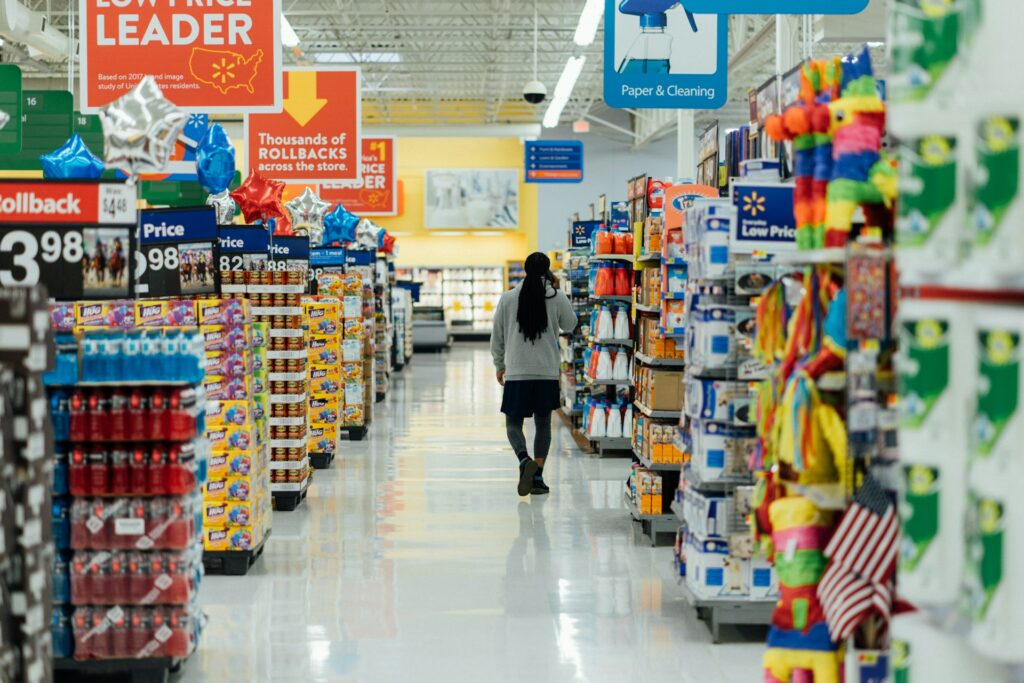
In stores, design is about layout, signs, and even lighting. It helps shoppers move through the aisles, find deals, and feel comfortable. Some stores use color and music to make the experience more pleasant.
Designers also think about accessibility. This means making sure everyone—including people with disabilities—can shop easily. That might mean bigger text, voice search, or easy-to-reach shelves.
Personalization is another big part of design now. Apps can remember your favorite products or suggest new ones based on what you like. This makes shopping feel more personal and less like a chore.
Here are a few ways design helps shoppers:
- Clear navigation so people don’t get lost
- Easy search and filters to find products fast
- Simple checkout to avoid frustration
- Personalized suggestions to save time
- Accessible features for all users
Designers work closely with tech teams to make sure everything works smoothly. For more on how creative and tech teams can work together, see this article on algorithms and design.
In short, design is what turns a basic shopping trip into a good experience. It’s the difference between a store you love and one you avoid.
Good design is invisible when it works well, but you notice right away when it doesn’t.
That’s why companies are investing more in design than ever before.
What skills do designers need for the future of grocery shopping?
Designers working on grocery shopping experiences need a mix of old and new skills. It’s not just about making things look nice—it’s about solving real problems for shoppers.
First, designers need to understand user experience (UX). This means thinking about every step a shopper takes, from opening an app to checking out. UX designers test their ideas with real people to see what works and what doesn’t.
Next, digital design skills are a must. Designers should know how to create layouts for phones, tablets, and computers. They also need to work with developers to make sure their designs can be built.
Knowing a bit about data helps, too. Designers look at what shoppers do—like which buttons they click or how long they spend on a page—to make things better. This is called data-driven design.
Communication is important. Designers work with lots of people, from tech teams to store managers. Being able to explain ideas clearly is a big plus.
Creativity is still key. Designers come up with new ways to solve problems, like making checkout faster or helping people find healthy foods.
Here’s a quick list of useful skills:
- User experience (UX) design
- Digital and mobile design
- Basic understanding of data and analytics
- Communication and teamwork
- Creative problem-solving
- Accessibility design
For more on giving designers the freedom to innovate, see this article on creative freedom.
Designers who keep learning and stay curious will be ready for whatever comes next in grocery shopping.
It’s a field that’s always changing, so flexibility is a big advantage.
How does technology shape the grocery shopping experience?
Technology is changing every part of grocery shopping. Apps and websites let people shop from home, but tech is also making in-store shopping smarter and faster.
One big change is the use of data. Stores track what people buy and use that information to suggest products or offer discounts. This makes shopping more personal and can help people save money.
Smart carts and checkout-free stores are popping up, too. Some stores let you scan items as you shop, so you don’t have to wait in line. Others use cameras and sensors to track what you pick up and charge you automatically when you leave.
Delivery and pickup are easier thanks to technology. Apps let you choose a time, track your order, and even chat with your shopper if something is out of stock.
Virtual reality (VR) and augmented reality (AR) are starting to show up, too. Some apps let you see how products look in your kitchen or help you plan meals with what’s in your cart.
Here’s a markdown-style list of tech features in grocery shopping:
- Personalized recommendations
- Smart carts and checkout-free stores
- Easy delivery and pickup options
- Virtual and augmented reality tools
- Real-time order tracking
Technology also helps stores run better behind the scenes. Robots can restock shelves, and software can predict what products will be popular next week.
For more on how CRM software helps manage customer relationships in retail, see this article on CRM tools.
As technology keeps improving, shopping will get even faster and more personal. But the best tech is the kind you barely notice—it just makes life easier.
Designers and tech teams need to work closely to make sure new features actually help shoppers, not just add more steps.
What does all this mean for customers and their habits?
For customers, the future of grocery shopping means more choices and more control. People can shop in the way that fits their lives—online, in-store, or a mix of both.
Shopping is getting faster and less stressful. No more waiting in long lines or wandering aisles looking for one item. Apps can remember your favorites, suggest new things, and even help you stick to a budget.
Personalization is a big win for shoppers. Stores and apps can recommend products based on your tastes, allergies, or past purchases. This saves time and can make shopping more fun.
Some people worry about privacy, since stores collect a lot of data. But most companies are working to keep this information safe and use it to make shopping better, not to bother you with ads.
Here’s a table showing how customer habits are changing:
| Old Habits | New Habits |
| Weekly big shopping trips | Frequent small orders online |
| Paper shopping lists | Digital lists and reminders |
| Browsing aisles for deals | Personalized offers in apps |
| Waiting in line | Checkout-free or fast pickup |
For more on how customer feedback shapes shopping experiences, see this article on customer testimonials.
Overall, shopping is becoming more flexible and tailored to each person. People can save time, discover new products, and shop in a way that fits their lives.
- More choices for how and when to shop
- Shopping is faster and more personal
- Privacy and security are important concerns
The future is about making shopping work for everyone, not just the store.
Conclusion
The world of grocery shopping is changing quickly, and design is at the center of it all. Whether you shop online or in-store, you’ve probably noticed things getting easier, faster, and more personal. That’s no accident—it’s the result of designers and tech teams working together to solve real problems for shoppers.
For designers, this is an exciting time. There are new challenges to tackle, from making apps more user-friendly to rethinking how stores are laid out. The skills needed are always evolving, but the goal stays the same: make shopping better for everyone.
Technology will keep playing a big role, but it’s most powerful when it’s paired with good design. The best shopping experiences are the ones that feel simple and natural, even if there’s a lot of tech behind the scenes.
Customers will keep driving these changes. As people get used to more choices and more control, stores and brands will need to keep up. Listening to feedback and staying flexible will be key.
If you’re interested in how design shapes other industries, check out this article on human-centered design. And if you want to know how creative teams can keep up with all these changes, see this guide to managing creative tech teams.
The future of grocery shopping is still being written. But one thing is clear: designers will have a big say in how we all shop, eat, and live in the years to come.
In today’s competitive market, finding the right creative and marketing expert can be a challenge. But with icreatives, you’re in experienced hands. With 37 years in staffing and a track record of matching more than 10,000 employees to over 1,000 companies worldwide, we know how to connect you with the best. Plus, you only pay if you hire—there’s no risk, only results. Ready to find your perfect creative or marketing expert? HIRE WITH ICREATIVES today!