7 Types of Organizational Structures

A top-down hierarchical org structure is the most common way businesses are organized, but that’s far from the only shape a company can take. Although vertical tiers are probably most familiar and provide a very well-defined chain of command, other structural shapes have their own...

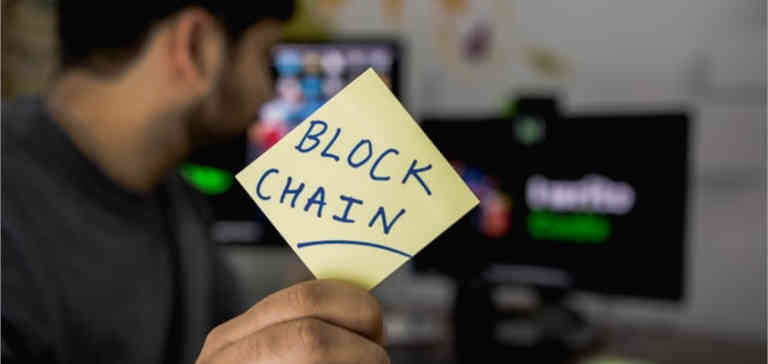
The Creative’s Guide to Blockchain

Although it was first described as early as 1991, blockchain wasn’t implemented until the cryptocurrency bitcoin was launched in 2009. The goal of bitcoin is to record and distribute information securely across a computer network, or ‘chain’. Once information is added to the chain, it...

What is Behavioral Marketing?

Tailoring promotional materials to receptive audiences has been a goal of marketing from its inception. With the amount of user data continually rising, companies have more opportunities than ever before to create ads that suit unique market segments. Behavioral marketing is about gathering user information...

Stakeholder Theory: 101

Too many organizations, managers, and strategists have a narrow focus on generating profit for the benefit of whoever owns the company. Stakeholder theory aims to correct this tunnel vision by taking into account other parties affected in the course of business such as communities, customers,...

Creative Tips for Strong Visual Storytelling

People process visual elements faster than written ones. Crafting a story for the user organizes these visual elements so that they are enticing and enjoyable, making the recipient more likely to respond positively to a call to action. There’s no surefire method for crafting a visual...

6 Tips for Building Brand Loyalty

The end goal of highly effective user-based design is return clientele. To earn that sort of customer dedication, stellar products, and stand-out branding are needed in combination. Loyalty is based on trust, which in turn comes from repeatedly good experiences with brands that visibly care...

Sustainable Design Thinking: Creative Approaches for Going Green

Users and customers are more concerned with their environmental impact than ever before. Design thinking breeds innovation and an increased production right alongside it. If the theory behind the design doesn’t account for ecological concerns and sustainable business practices, the user, environment, and bottom line...